
According to world bank and KNOMAD low- and middle-income countries (LMICs) was projected to decline sharply by about 20 percent in 2020. Remittances to LMICs are estimated to fall by US$110 billion, representing a loss of a crucial lifeline for many vulnerable households.
With cross-border remittances to LMICs being higher than either foreign direct investment or official development assistance, the rapidly intensifying socioeconomic effects of the crisis are expected to be devastating to the local economies of migrants’ countries and communities of origin, individual households and the overall achievement of the Sustainable Development Goals (SDGs).
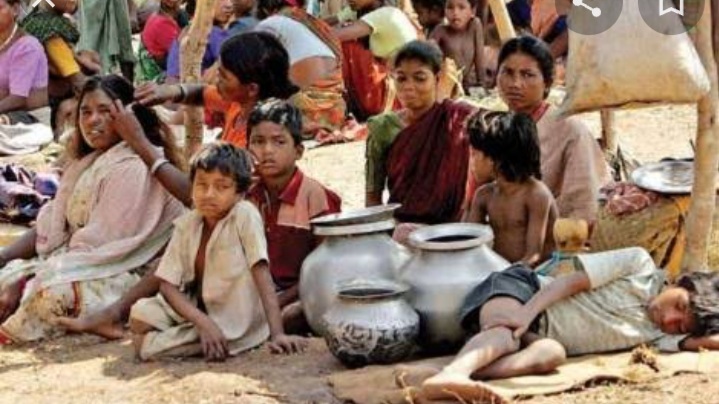
Migrants’ families in their home countries depend on incoming remittances for basic necessities such as purchasing food, and paying for housing, education and healthcare. Without remittances, families face the risks and acute consequences of not being able to afford these basic needs.Thus those that depended on them ende up suffering.
Some of the people that went abroad for jobs ,they were the bread winners to their families .Some of them got infected and were depoted or taken to quarantine .Example from Saudi Arabia and Singapore, where the Ministries of Health have provided official data on the migration status of individuals who tested positive, show the differential exposure to the virus of the migrant population. According to the Saudi Ministry of Health, 75 per cent of all newly confirmed cases as of 7 May 2020 were among migrants.
The pandemic reduced the migrants remittances at a very high rate .
https://www.migrationdataportal.org/themes/migration-data-relevant-covid-19-pandemic

 G-cham
am excited to see your other blogs
LikeLike
job well done, research well researched, lets hope for more
LikeLike
Informative
LikeLike