USA Braces for Partial Government Shutdown as DHS Funding Stalemate Persists,
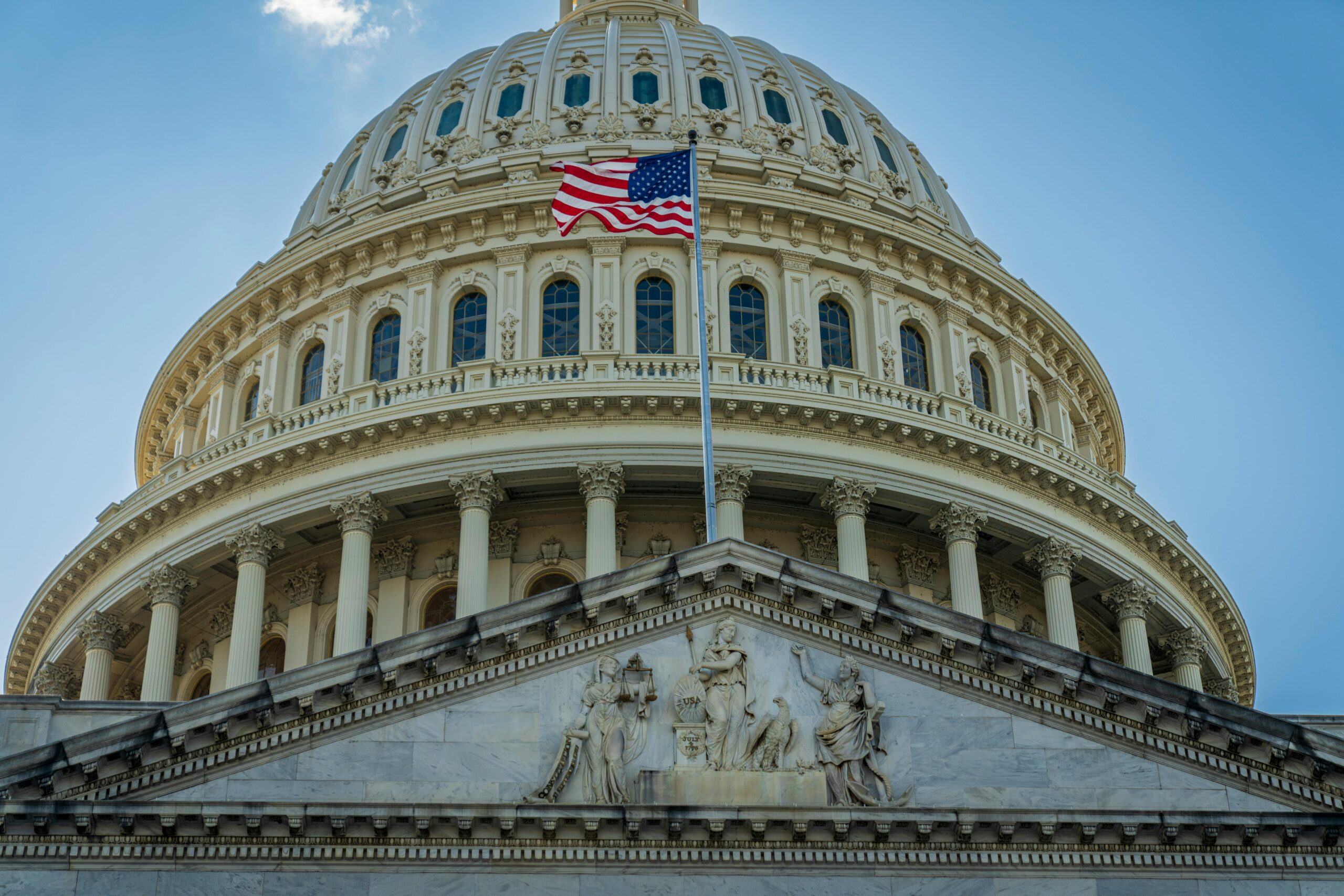
MINNEAPOLIS — The United States entered a limited phase of federal disruption early Saturday after lawmakers failed to finalize full-year funding for the Department of Homeland Security (DHS), leaving parts of the government operating under contingency plans as negotiations continue in Washington.
The lapse comes despite Congress having already approved several of the twelve annual appropriations bills, avoiding a broader government shutdown. At issue is DHS funding, which remains caught in a political standoff over immigration enforcement priorities and oversight measures.
What Triggered the Partial Shutdown
The immediate cause of the disruption is Congress’s failure to reach consensus on DHS appropriations before the funding deadline. While leadership in both chambers continues negotiations, the department is operating with limited authority under shutdown procedures.
A Narrow but High-Stakes Deadlock
The broader federal budget framework—totaling roughly $1.2 trillion in discretionary spending—has advanced in stages. However, DHS funding has been handled separately due to heightened political sensitivity surrounding border security, immigration enforcement, and accountability mechanisms.
Democratic lawmakers have pushed for increased oversight and policy changes related to Immigration and Customs Enforcement (ICE), while Republicans argue that DHS funding should proceed without policy conditions, citing national security concerns.
What Remains Open — and What Is Affected
Although the shutdown is partial, its effects are uneven across the federal government.
Services and Agencies Largely Unaffected
- Social Security: Benefit payments continue as scheduled, as the program is funded outside the annual appropriations process.
- U.S. Postal Service: Mail delivery continues uninterrupted due to its independent funding structure.
- National Parks: Many parks remain open, supported by previously approved Interior Department funding, though some services may be limited.
Agencies Operating Under Restrictions
- Department of Homeland Security: Non-essential personnel face furloughs, while border security, aviation security, and emergency response functions continue.
- Internal Revenue Service (IRS): As tax season approaches, staffing constraints could lead to processing delays if the funding lapse is prolonged.
- Other Federal Offices: Agencies funded through already-passed appropriations bills remain open, but uncertainty persists for contractors and grant-dependent programs.
Minneapolis Incident Adds Political Pressure
The funding standoff has unfolded amid heightened scrutiny of federal law enforcement following the fatal shooting of a civilian during a federal operation in Minneapolis last week. The incident has prompted calls from civil rights groups and some lawmakers for a Department of Justice review of federal enforcement practices.
Political Impact, Not a Direct Cause
While protests have occurred in several cities, officials stress that the demonstrations are not the direct cause of the shutdown. However, the incident has intensified debate over DHS oversight and contributed to the broader political climate surrounding the funding negotiations.
Congressional Positions Harden
Republican leaders, including Senate Majority Leader John Thune, have argued against separating DHS funding from the overall budget process, warning that delays could undermine border security and counterterrorism operations.
Democrats counter that DHS is one of the largest law enforcement entities in the federal government and requires stronger accountability standards before receiving full-year funding.
Economic and Market Implications
Economists say a prolonged DHS funding lapse is unlikely to have an immediate macroeconomic impact but could weigh on market sentiment if it evolves into a broader shutdown.
Labor Data and Investor Confidence
Analysts are closely watching whether the Department of Labor will be able to release upcoming employment data on schedule, as delays could introduce volatility into financial markets.
Dollar and Crypto Sensitivity
Historically, extended federal shutdowns have coincided with short-term weakness in the U.S. dollar and increased volatility in alternative assets, including cryptocurrencies, as investors seek perceived safe havens.
What Happens Next
Congressional negotiators are expected to continue talks over the coming days, with temporary funding measures under consideration to keep DHS operational while broader disputes are resolved.
Until an agreement is reached, the shutdown remains limited in scope but politically charged—highlighting once again how immigration policy continues to shape the nation’s fiscal and governance debates.