More Than a Game: The $180 Million “Financial Miracle” of India vs. Pakistan.
Introduction: The “Final Before the Final”
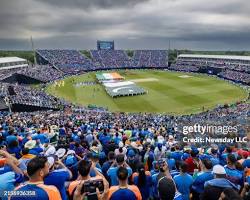
Tonight, Sunday, February 15, 2026, the streets of Colombo are filled with more than just cricket fans; they are filled with the weight of a global economic event. The India vs. Pakistan T20 World Cup clash at the R. Premadasa Stadium has officially transcended sport to become a geopolitical and financial juggernaut. With secondary market tickets for luxury hospitality boxes hitting a staggering $11,900 (approx. Ksh 1.55 million), this single fixture is the “commercial backbone” of the 2026 tournament.
The Economics: Averted Revenue Collapse
According to recent industry data, this match is estimated to generate over $180 million (Ksh 23.4 billion) in a single night.
- The Revenue Savior: Following weeks of high-stakes brinkmanship regarding a potential boycott, the ICC successfully ensured the fixture remained on the calendar. A cancellation would have triggered a projected loss of $174 million (Ksh 22.6 billion) in broadcast and sponsorship rebates.
- The “Premium” of Rivalry: Hotel tariffs in Colombo have surged by over 200%. Premium rooms are currently priced at over Ksh 165,000 per night, reflecting a demand that dwarfs even the tournament’s actual final.
- The 10-Second Goldmine: Broadcasters like JioStar are reportedly charging upwards of Ksh 11.5 million ($88,000) for a single 10-second advertisement slot, as brands scramble to reach a projected global audience of over 400 million viewers.
The Tactical Battle: Mystery Spin vs. Power Hitting
On the field, the narrative is just as intense as the balance sheet.
- The Mystery Spinner: Pakistan has unleashed Usman Tariq, whose “pause-and-deliver” action has been officially cleared by the ICC but continues to spark intense debate among analysts and opposing batters.
- India’s Tactical Response: To counter the spin-heavy Pakistani strategy, the India national cricket team has bolstered its middle order with aggressive left-handers like Tilak Varma and Rinku Singh, designed to disrupt the rhythm of the slow bowlers on a turning Colombo pitch.
The GCHAM Verdict: Soft Power and “Cricket-nomics”
For Juma’s global audience, this match is a masterclass in how sport serves as a vital diplomatic bridge. While formal relations between New Delhi and Islamabad remain complex, the “Cricket Economy” creates a multi-billion dollar incentive for cooperation. This isn’t just about two points in the World Cup standings; it is the primary engine for the ICC’s entire financial cycle. In 2026, the scoreboard is measured in runs, but the ultimate victory is calculated in billions.