Introduction
The global economy is at a crossroads, with projected growth rates of 3.3 percent for 2026 and 3.2 percent for 2027. Despite the slight upward revision since the October 2025 World Economic report, challenges persist. Recent developments, including Trump’s tariff U-turn, have led to a rise in global stocks, with investors eagerly awaiting inflation data and earnings reports from major companies like Intel and P&G.
Global Economic Landscape
The current global economic landscape is complex, with both opportunities and challenges. On one hand, the projected growth rates indicate a positive trend, driven by factors like increased trade and investment. On the other hand, risks like inflation, trade tensions, and geopolitical uncertainty continue to threaten the stability of the global economy.
Regional Perspectives
In the Asia-Pacific region, countries like Nepal are navigating their own unique challenges and opportunities. According to Krishna Srinivasan, head of the Asia and Pacific Department at the IMF, and Sarwat Jahan, mission chief for Nepal, the country has a chance for transformation, driven by its young population and aspirations for greater transparency and governance.
Economic Indicators and Trends
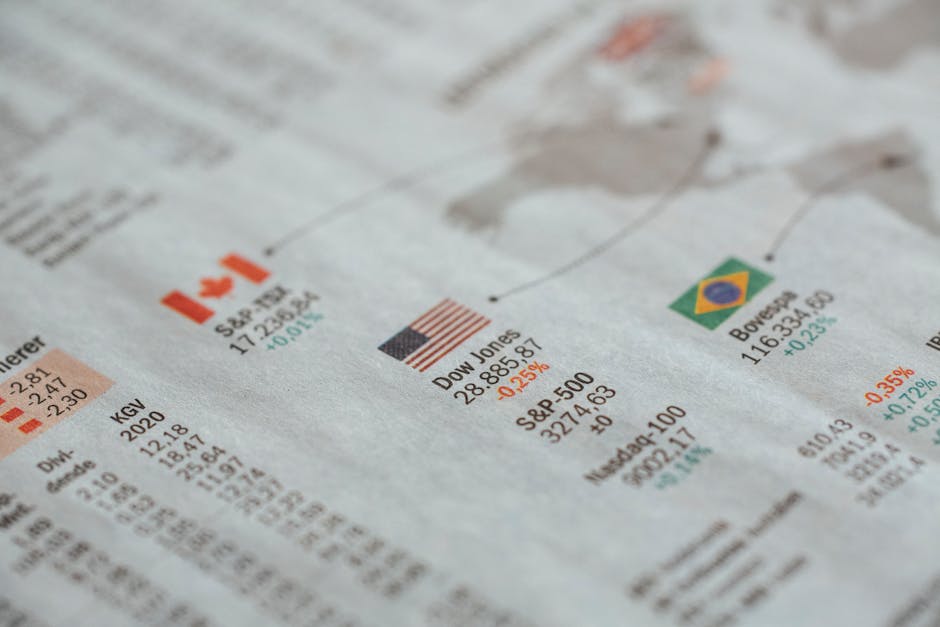
The recent stock market trends, including the rise in global stocks after Trump’s tariff U-turn, indicate a positive sentiment among investors. However, inflation data and earnings reports from major companies will be closely watched to gauge the overall health of the economy. The global economic community is also keeping a close eye on developments in countries like Nepal, which is seeking to steer its economy towards greater stability and growth.
Expert Insights
Experts like Srinivasan and Jahan emphasize the importance of sound economic policies, good governance, and investment in human capital to drive growth and stability. As the global economy continues to evolve, it is essential to stay informed about the latest trends, challenges, and opportunities.
Conclusion
In conclusion, the global economy is at a critical juncture, with both challenges and opportunities on the horizon. As investors, policymakers, and individuals, it is essential to stay informed and adapt to the changing landscape. By understanding the complex interplay of factors driving the global economy, we can navigate the challenges and capitalize on the opportunities, ultimately contributing to a more stable and prosperous world.