Category: USA Politics

  • Trump Administration Faces Criticism Over Handling of ICE Shooting and Second Amendment Rights

    Trump Administration Faces Criticism Over Handling of ICE Shooting and Second Amendment Rights

    Introduction

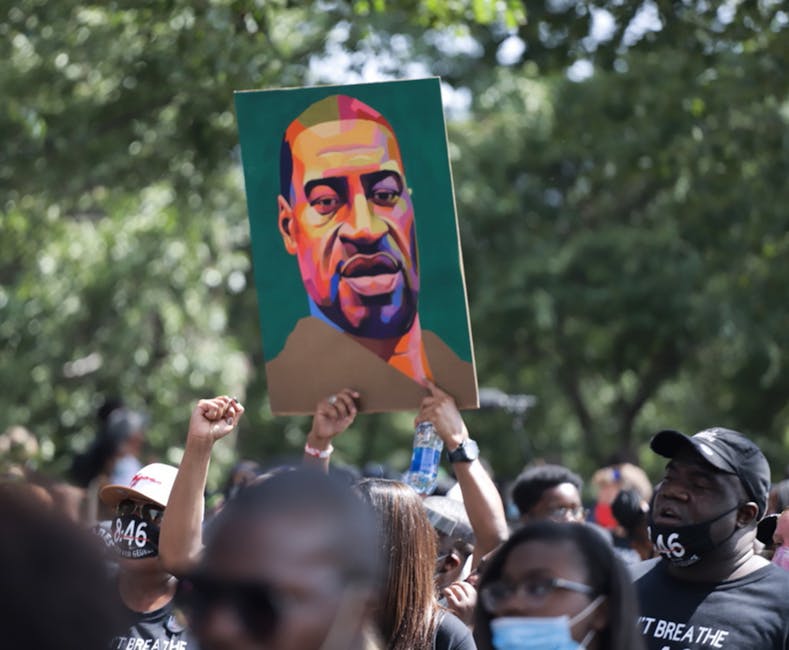
    The recent shooting of Alex Pretti by federal immigration agents in Minneapolis has sparked a heated debate over Second Amendment rights and the Trump administration’s handling of the situation.

    Background on the Incident

    The incident occurred on January 25, 2026, when federal immigration agents attempted to detain Pretti, resulting in a fatal shooting. The event has been met with widespread criticism, with many arguing that the administration’s response has been inadequate and inconsistent.

    Reactions from Second Amendment Advocates

    William Sack, legal director of the Second Amendment Foundation, expressed surprise and disappointment at the administration’s initial statements following the shooting. Sack stated that Trump’s vacillating stance on the issue is likely to cost the administration dearly with its core constituency.

    Conservative Officials Weigh In

    Erich Pratt, vice president of Gun Owners of America, appeared on CNN, stating that he had attended protest rallies while armed without incident. State Rep. Jeremy Faison, who leads the GOP caucus in Tennessee, echoed this sentiment, saying that showing up to a protest with a weapon is a fundamental American right.

    Investigation and Aftermath

    The incident has prompted calls for a full and transparent investigation, with Trump’s first-term vice president, Mike Pence, advocating for a thorough examination of the officer-involved shooting.

    Broader Implications

    The shooting has also raised concerns about the administration’s approach to immigration enforcement and the potential for further escalation. With the administration’s history of using federal funding as a means of coercion, many are worried about the implications for communities across the United States.

    Global Implications

    The Trump administration’s actions have not gone unnoticed on the global stage, with European leaders expressing concern over the president’s criticism of NATO and his claims of having a framework in place for control of Greenland.

    Conclusion

    As the situation continues to unfold, it remains to be seen how the Trump administration will respond to the criticism and concerns surrounding the ICE shooting and Second Amendment rights. One thing is certain, however: the debate will have far-reaching implications for the United States and its position on the global stage.
  • Trump Administration’s Response to Minnesota Shooting Sparks Outrage Among Gun Rights Advocates

    Trump Administration’s Response to Minnesota Shooting Sparks Outrage Among Gun Rights Advocates

    Introduction

    The Trump administration’s response to the fatal shooting of Alex Pretti by federal immigration agents in Minnesota has sparked outrage among gun rights advocates. The incident has raised questions about the use of force by law enforcement and the right to bear arms.

    The Shooting and its Aftermath

    Alex Pretti was fatally shot by federal immigration agents on January 25, 2026, in Minneapolis, Minnesota. The incident has been met with widespread condemnation, with many calling for a full and transparent investigation into the shooting.

    Trump’s Response

    President Donald Trump’s initial response to the shooting was met with criticism from gun rights advocates. Trump’s spokeswoman, Karoline Leavitt, later clarified that the president supports the Second Amendment rights of law-abiding American citizens, but also emphasized the importance of following the law and respecting the authority of law enforcement.

    Gun Rights Advocates Weigh In

    Gun rights advocates, including Erich Pratt, vice president of Gun Owners of America, have expressed outrage over the shooting and the Trump administration’s response. Pratt emphasized that the right to bear arms is a fundamental American right and that the use of force by law enforcement must be carefully scrutinized.

    Conservative Officials Speak Out

    Conservative officials, including state Rep. Jeremy Faison of Tennessee, have spoken out in support of gun rights and the right to protest. Faison emphasized that showing up to a protest with a weapon is a fundamental American right, but also acknowledged the need for caution and respect for the law.

    Implications for the Midterm Elections

    The shooting and the Trump administration’s response have significant implications for the midterm elections. The incident has highlighted the deep divisions within the Republican Party and the challenges facing Trump as he heads into a midterm election year. The concern is acute enough that Trump’s top spokeswoman sought to reassert his brand as a staunch gun rights supporter.

    Videos Contradict Early Statements

    Videos of the shooting have contradicted early statements from the administration, raising questions about the use of force by law enforcement and the right to bear arms. The incident has sparked widespread outrage and calls for a full and transparent investigation.

    Global Implications

    The incident has also raised questions about the global implications of the Trump administration’s policies. The US withdrawal from the Paris climate agreement and the administration’s approach to immigration have been met with widespread criticism from around the world.

    Conclusion

    In conclusion, the Trump administration’s response to the Minnesota shooting has sparked outrage among gun rights advocates and raised questions about the use of force by law enforcement. The incident has significant implications for the midterm elections and highlights the deep divisions within the Republican Party. As the US heads into a midterm election year, the concern is acute enough that Trump’s top spokeswoman sought to reassert his brand as a staunch gun rights supporter.

  • US Catholic Cardinals Denounce America’s Moral Role in Global Affairs

    US Catholic Cardinals Denounce America’s Moral Role in Global Affairs

    Introduction to the Crisis

    Three top Catholic cardinals in the United States have issued a statement denouncing U.S. foreign policy, citing the country’s moral role in confronting evil around the world as being in question. The cardinals referred to the U.S. attack on Venezuela, Trump’s threats against Greenland, and Russia’s war in Ukraine as key examples of the country’s questionable actions.

    Escalating Tensions with Europe

    Tensions between the United States and Europe are escalating after President Trump threatened to impose tariffs on eight European allies that oppose his push to take over Greenland, a semiautonomous territory of Denmark. Trump sent a text message to Norway’s prime minister, stating that he no longer feels an obligation to think purely of peace, and that the world is not secure unless the U.S. has complete and total control of Greenland.

    The Board of Peace

    President Trump has invited Russian President Vladimir Putin, Chinese leader Xi Jinping, and Israeli Prime Minister Benjamin Netanyahu to join his so-called Board of Peace. The board is envisioned to oversee a ceasefire in Gaza, but it may potentially rival the United Nations. French President Emmanuel Macron has rejected Trump’s offer to join the board, warning that it could undermine the U.N.

    Immigration and Border Control

    The Trump administration has been criticized for its handling of immigration and border control. Congress is pushing to reform the Department of Homeland Security, particularly the Immigration and Customs Enforcement and U.S. Border Patrol agencies. Democrats in Congress are opposing the funding of these agencies, citing the recent fatal shootings of U.S. citizens by federal immigration officers in Minnesota.

    Economic Implications

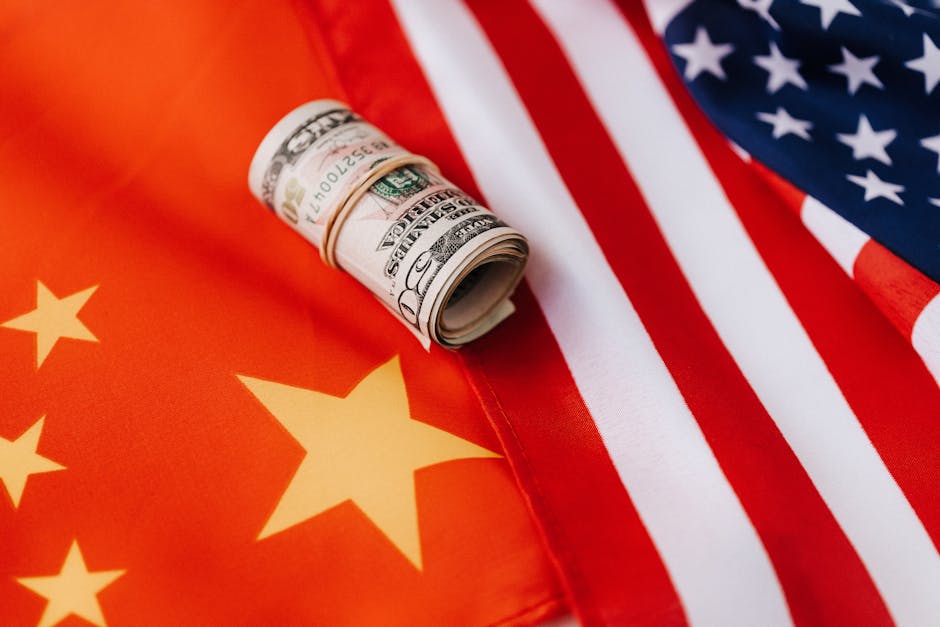
    The Trump administration’s policies have significant economic implications. The imposition of tariffs on South Korean imports has sparked protests and criticism from activists and lawmakers. The U.S. has also been involved in trade disputes with other countries, including China and Europe.

    Partisan Politics and Government Shutdown

    The partisan fight over DHS funding has led to a looming government shutdown. Democrats want to separate and delay DHS funding, while Republicans are moving forward with a full funding package. The Senate Democratic leadership has warned that a shutdown would be ‘dangerous and detrimental’ to the country.

  • US Politics in Turmoil: Tensions Escalate with Europe, ICE Crackdown Continues

    US Politics in Turmoil: Tensions Escalate with Europe, ICE Crackdown Continues

    Introduction

    The United States is facing a tumultuous period in its politics, with escalating tensions with European allies and a continuing crackdown by Immigration and Customs Enforcement (ICE) agents. In this report, we will delve into the key issues shaping the US political landscape.

    Tensions with Europe

    President Trump’s threat to impose tariffs on eight European allies that oppose his push to take over Greenland has heightened tensions between the US and Europe. The move has been met with criticism from European leaders, who view it as a violation of international law and a threat to global stability.

    Greenland Dispute

    The dispute over Greenland centres on the US desire to acquire the semiautonomous territory from Denmark. However, the move has been met with resistance from Denmark and other European countries, who view it as an attempt to expand US influence in the region.

    ICE Crackdown

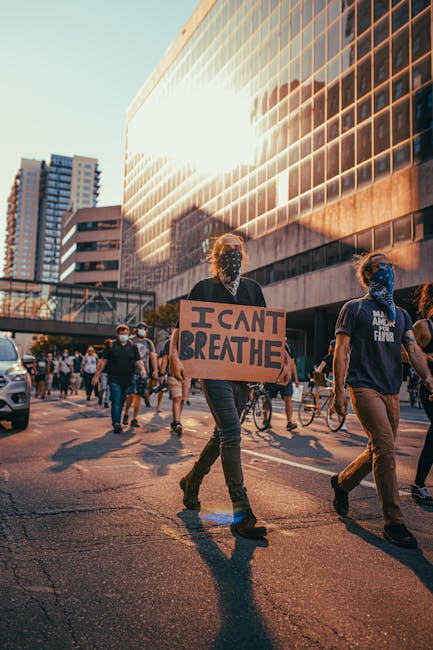
    Meanwhile, ICE agents continue to carry out raids across the US, sparking controversy and criticism from human rights groups. The agents have been accused of denying legal counsel to many arrested during the immigration sweeps, with multiple attorneys reporting that they have been prevented from seeing clients held at the Whipple Federal Building in Minneapolis.

    Arrests and Detentions

    In one notable incident, armed, masked ICE agents battered down the door of a home in St. Paul and arrested a man who was led out of his home in his underwear in subfreezing weather. The man, ChongLy ‘Scott’ Thao, was later released and spoke to reporters, highlighting the need for greater scrutiny of ICE’s actions.

    US Foreign Policy Under Fire

    The US foreign policy has come under fire from three top Catholic cardinals in the US, who have issued an unusual statement denouncing the country’s ‘moral role in confronting evil around the world’. The cardinals cited the US attack on Venezuela, Trump’s threats against Greenland, and Russia’s war in Ukraine as examples of the US’s questionable moral foundation.

    Conclusion

    In conclusion, the US is facing a challenging period in its politics, with tensions escalating with Europe and a continuing crackdown by ICE agents. As the situation continues to unfold, it remains to be seen how the US will navigate these complex issues and restore its reputation as a global leader.

  • US Catholic Cardinals Denounce US Foreign Policy Amid Global Tensions

    US Catholic Cardinals Denounce US Foreign Policy Amid Global Tensions

    Introduction

    In a stark and unprecedented move, three top Catholic cardinals in the United States have publicly denounced US foreign policy, questioning the country’s moral foundation and its role in confronting global evil. This statement comes amid heightened global tensions, particularly with regard to the US’s recent actions and proposals on the international stage, including the threat to impose tariffs on European allies, the invitation to form a ‘Board of Peace’ that could potentially rival the United Nations, and the controversial stance on issues like the conflict in Ukraine and the situation in Venezuela.

    Background: US Foreign Policy Under Scrutiny

    US President Donald Trump has been at the center of these controversies, with his administration’s foreign policy decisions drawing both international condemnation and domestic criticism. The proposed ‘Board of Peace,’ which Trump has suggested could oversee ceasefires and potentially serve as a global governing body, has been met with skepticism by many, including French President Emmanuel Macron, who has expressed concerns that such a board could undermine the United Nations.

    Global Reactions and Implications

    The reactions to these developments have been varied and reflect the complexity of the global political landscape. On one hand, the invitees to the ‘Board of Peace,’ including Russian President Vladimir Putin, Chinese leader Xi Jinping, and Israeli Prime Minister Benjamin Netanyahu, signal a potential shift in global alliances and power structures. On the other hand, the rejection by certain European leaders highlights the deep divisions within the international community regarding the direction of global governance and the role of the US within it.

    The Role of the Catholic Church

    The Catholic Church, through the statements of its cardinals, has inserted itself into this global debate, emphasizing the need for a moral foundation in international relations. This intervention by religious leaders underscores the broader ethical considerations at play in foreign policy decisions, reminding nations of their obligations not just to their own interests but to global stability and human dignity.

    Conclusion: A New Era in Global Politics

    As the world navigates these challenging times, the intersection of religion, politics, and international relations has never been more critical. The denouncement by US Catholic cardinals of US foreign policy and the ongoing tensions between nations signal a new era in global politics, one that will require careful consideration of moral responsibilities alongside strategic interests. The path forward will likely be fraught with challenges, but it also presents an opportunity for the international community to redefine its values and goals, potentially leading to a more cohesive and peaceful world.

  • US Citizen Killed by Federal Agents in Minneapolis, Sparking Widespread Outrage and Demands for Action

    US Citizen Killed by Federal Agents in Minneapolis, Sparking Widespread Outrage and Demands for Action

    Introduction

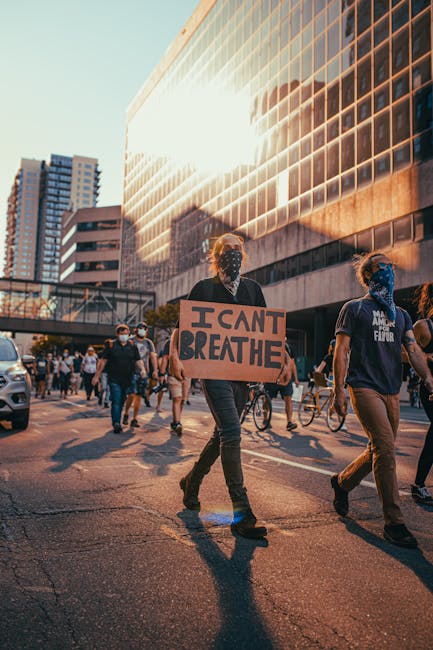
    On January 24, 2026, a shocking incident occurred in Minneapolis, Minnesota, when federal immigration agents shot and killed Alex Pretti, a 37-year-old US citizen and ICU nurse. This event has sparked widespread outrage and protests, with local leaders calling for an end to the Trump administration’s operation in the city.

    Background

    Alex Pretti was shot dead by federal agents while scuffling with them on an icy roadway. This incident comes less than three weeks after an immigration officer shot and killed Renee Good, also 37, in her car. The killing of Alex Pretti has reignited demands for the Trump administration to reevaluate its immigration policies and the use of force by federal agents.

    The Trump Administration’s Response

    The Trump administration has faced criticism for its handling of the situation. President Trump has been accused of downplaying the incident and failing to address the concerns of the community. The administration’s ‘framework’ for a Greenland deal has also been met with skepticism, with many questioning the priority given to this issue over the concerns of US citizens.

    Investigations and Aftermath

    Investigations into the shooting are ongoing, with many calling for greater transparency and accountability. The incident has also raised questions about the use of force by federal agents and the need for reform. The Minnesota governor, Tim Walz, has stated that the state government is working to combat fraud and investigate the incident, but the political gamesmanship from Republicans has been criticized for making the situation more challenging.

    Global Implications

    The incident in Minneapolis has sparked international attention, with many countries voicing concern over the use of force by federal agents and the impact on US citizens. The European Union has expressed outrage over Trump’s comments downplaying NATO’s role in the Afghanistan war, highlighting the need for diplomacy and cooperation in international relations.

    Conclusion

    In conclusion, the killing of Alex Pretti by federal agents in Minneapolis has sparked widespread outrage and demands for action. The Trump administration’s response has been met with criticism, and the incident has raised important questions about the use of force, accountability, and the need for reform. As the situation continues to unfold, it is essential to prioritize the concerns of US citizens and work towards a more just and equitable society.

  • Trump administration ramps up trade tensions and military action amidst domestic turmoil

    Trump administration ramps up trade tensions and military action amidst domestic turmoil

    Introduction

    The United States has been embroiled in a series of controversies and challenges in recent weeks, from the launching of its first lethal boat strike of 2026 to the threat of 100 percent tariffs on Canadian imports. As the country grapples with these issues, thousands of flights have been canceled due to a major winter storm, affecting over 140 million people.

    Trade Tensions Escalate

    President Trump has been vocal about his dissatisfaction with Canada’s new trade deal with China, threatening to impose 100 percent tariffs on Canadian imports if the deal is not renegotiated. This move has been met with resistance from Canadian officials, who argue that the tariffs would have a devastating impact on the country’s economy.

    Impact on the Global Economy

    The escalating trade tensions between the US and Canada have significant implications for the global economy. With the US being one of the world’s largest economies, any disruption to trade could have far-reaching consequences. The tariffs threatened by Trump could lead to higher prices for consumers, reduced economic growth, and even job losses.

    Military Action and National Security

    The US has also been involved in several military actions in recent weeks, including the launching of its first lethal boat strike of 2026. The strike, which was aimed at a target in the Middle East, marks a significant escalation of US military involvement in the region.

    Naval Blockade of Cuba

    In addition to the boat strike, the US has also been considering a naval blockade of Cuba in an effort to halt the country’s oil imports. This move has been met with resistance from Cuban officials, who argue that the blockade would have a devastating impact on the country’s economy.

    Domestic Turmoil

    As the US grapples with these international challenges, the country is also facing significant domestic turmoil. Thousands of flights have been canceled due to a major winter storm, affecting over 140 million people. The storm, which has brought heavy snow and freezing temperatures to much of the country, has caused widespread disruptions and has even led to the declaration of emergencies in several states.

    RNC Convention and Election Preparations

    Despite the challenges facing the country, the Republican National Committee (RNC) has taken steps towards hosting a 2026 GOP midterm convention. The convention, which is expected to take place this summer, will provide an opportunity for Republicans to come together and discuss key issues facing the country.

    Conclusion

    In conclusion, the US is facing a series of significant challenges, from trade tensions and military action to domestic turmoil and election preparations. As the country navigates these complex issues, it is clear that the next few months will be critical in shaping the future of the US and its place in the world.

  • Trump Unveils 2026 U.S. National Defense Strategy, Sparks Global Debate

    Trump Unveils 2026 U.S. National Defense Strategy, Sparks Global Debate

    Introduction to the 2026 U.S. National Defense Strategy

    The 2026 U.S. National Defense Strategy, released on January 23, 2026, outlines the Trump administration’s vision for the country’s defense and security. The document emphasizes the need for the United States to prioritize its own interests and security above all else, while also encouraging allies to take greater responsibility for their own defense.

    Key Components of the Strategy

    The strategy focuses on several key areas, including the Western Hemisphere, where the United States aims to assert its dominance and protect its interests. It also emphasizes the importance of building strong relationships with partners in the region, while warning them that the United States will ‘actively and fearlessly defend America’s interests’ as needed.

    Western Hemisphere Dominance

    The strategy’s emphasis on Western Hemisphere dominance has significant implications for U.S. relations with its neighbors, particularly Canada. As the top export destination for 36 U.S. states, Canada plays a critical role in U.S. trade and economy. However, recent tensions between the two countries, including Trump’s threat to impose a 100% tariff on Canadian goods, have raised concerns about the future of their relationship.

    Global Reactions to the Strategy

    The release of the 2026 U.S. National Defense Strategy has sparked a heated debate globally, with many critics arguing that it undermines the United Nations and threatens global stability. The strategy’s emphasis on ‘America First’ has also raised concerns among allies, who fear that the United States is abandoning its traditional role as a global leader.

    Criticism from Allies

    The strategy’s reception has been particularly chilly among U.S. allies, who feel that the document’s focus on dominance and self-interest undermines the principles of cooperation and collective defense. As one analyst noted, ‘The strategy’s emphasis on ‘America First’ is a clear signal that the United States is no longer committed to working with its allies to address common security challenges.’

    Implications for Global Security

    The 2026 U.S. National Defense Strategy has significant implications for global security, particularly in regions where the United States has traditionally played a leadership role. As the document makes clear, the United States is no longer willing to bear the sole burden of defending its allies, and instead expects them to take greater responsibility for their own security.

    Consequences for the United Nations

    The strategy’s emphasis on ‘America First’ has also raised concerns about the future of the United Nations, which has long relied on U.S. leadership and support. As one diplomat noted, ‘The United States’ decision to prioritize its own interests above all else threatens the very fabric of the international system, and could have far-reaching consequences for global stability and security.’

    Conclusion

    The 2026 U.S. National Defense Strategy marks a significant shift in U.S. defense and security policy, one that prioritize’s America’s own interests above all else. While the strategy’s emphasis on Western Hemisphere dominance and ‘America First’ has sparked controversy and concern among allies, it also reflects a growing recognition that the United States can no longer afford to bear the sole burden of defending its allies. As the global security landscape continues to evolve, it remains to be seen how the 2026 U.S. National Defense Strategy will shape the future of international relations and global security.

  • Trump Unveils ‘Board of Peace’ in Davos, Sparks Controversy Over UN Role and Greenland Deal

    Trump Unveils ‘Board of Peace’ in Davos, Sparks Controversy Over UN Role and Greenland Deal

    Introduction to the Board of Peace

    President Trump hosted a signing ceremony in Davos for his so-called Board of Peace, a project that has garnered support from 35 countries but also raised concerns among critics who fear it could undermine the United Nations. Trump, who will serve as the board’s chair indefinitely with veto power over its decisions, is asking countries to pay $1 billion for a permanent spot on the board.

    Controversy Surrounding the Board’s Mission

    Initially proposed to oversee Gaza, the board’s mission has expanded significantly under Trump’s vision. Critics argue that this expansion could lead to a duplication of efforts with the UN and potentially weaken the international body’s authority in global affairs.

    House Oversight Committee Action

    In related news, the House Oversight Committee voted to hold former President Bill Clinton and former Secretary of State Hillary Clinton in contempt of Congress for their refusal to comply with a subpoena related to a congressional probe into the late sex offender Jeffrey Epstein. The move, supported by nine Democrats and Republicans, comes after flight logs revealed that Bill Clinton took four international trips on Epstein’s private jet.

    Trump’s Greenland and Arctic Deal

    President Trump announced a framework for a deal on U.S. involvement in Greenland and the Arctic region during the World Economic Forum in Davos. Details of the agreement, which Trump says will involve the U.S. gaining mineral rights and potentially using Greenland for his proposed ‘Golden Dome’ missile defense system, have not been disclosed. The announcement follows a meeting between Trump and NATO Secretary General Mark Rutte.

    Global Implications

    The developments surrounding the Board of Peace and the Greenland deal come as the U.S. navigates complex global security challenges. The 2026 U.S. National Defense Strategy, released on January 23, 2026, emphasizes the need for a strong American military in the face of growing threats from adversaries and the risk of being drawn into simultaneous major wars across theaters.

    U.S. National Defense Strategy

    The strategy document praises President Trump’s efforts to rebuild the American military but notes that the U.S. faces significant security challenges, including the risk of a third world war. It highlights the importance of alliances and partnerships in addressing these threats.

    Global Reception and Impact

    The international community is watching the developments in U.S. politics closely, with many longtime allies expressing reserve towards the U.S. under Trump’s leadership. The implications of the Board of Peace and the Greenland deal on global governance, security, and economic relations will be significant, and their success or failure will have far-reaching consequences for the stability of the international order.

  • Trump’s Board of Peace Sparks Global Concerns as US Politics Heats Up

    Trump’s Board of Peace Sparks Global Concerns as US Politics Heats Up

    Introduction to the Board of Peace

    President Trump has announced the formation of a new Board of Peace, with 35 countries agreeing to participate. However, many critics fear that this board could undermine the authority of the United Nations. As the chair of the board, Trump will have veto power over all decisions, raising concerns about the potential for abuse of power.

    The Controversy Surrounding the Board

    The Board of Peace was initially proposed to oversee the situation in Gaza, but its mission has since been expanded to include a broader range of global issues. Critics argue that this expansion of power could lead to a decrease in the effectiveness of the United Nations and potentially destabilize international relations. Furthermore, the fact that countries are being asked to pay $1 billion for a permanent spot on the board has raised eyebrows, with many questioning the motivations behind this move.

    The Reaction from the International Community

    The international community has been quick to respond to the announcement, with many world leaders expressing their concerns about the potential implications of the Board of Peace. The United Nations has issued a statement emphasizing the importance of maintaining its authority and effectiveness in addressing global challenges. Meanwhile, other countries have begun to explore alternative solutions, such as strengthening regional alliances and promoting multilateral cooperation.

    Other Developments in US Politics

    In other news, the House Oversight Committee has voted to hold former President Bill Clinton and former Secretary of State Hillary Clinton in contempt of Congress for refusing to comply with a subpoena related to the Jeffrey Epstein case. This development has sparked a heated debate about the role of Congress in holding former officials accountable for their actions.

    The Greenland Deal

    President Trump has also announced a framework for a deal on US involvement in Greenland, although details of the agreement have not been made public. The deal is expected to involve the US gaining mineral rights and using Greenland as a location for Trump’s proposed ‘Golden Dome’ missile defense system. However, many questions remain about the implications of this deal and how it will affect the relationship between the US and Denmark.

    Conclusion

    In conclusion, the formation of the Board of Peace and other recent developments in US politics have significant implications for the global community. As the world watches with bated breath, it remains to be seen how these events will unfold and what their ultimate impact will be on international relations and global governance.