Category: Global Economics

  • Global Economy Shows Resilience Despite Geopolitical Turmoil

    Global Economy Shows Resilience Despite Geopolitical Turmoil

    Introduction

    The global economy is projected to grow at a rate of 3.3 percent in 2026 and 3.2 percent in 2027, despite the ongoing geopolitical turmoil. The World Economic Forum has urged countries and businesses to focus on boosting growth and fighting inequality, rather than getting bogged down in the chaos.

    Global Growth Projections

    The International Monetary Fund (IMF) has revised its growth projections for 2026 and 2027, citing a slight increase in global economic activity. The IMF attributes this growth to the resilience of the global economy, which has been able to withstand the disruptions caused by the COVID-19 pandemic and the ongoing trade tensions.

    US Economy

    The US economy has been a major driver of global growth, with the S&P Global US PMI Composite Output Index signaling ongoing growth of business activity at the start of 2026. The index has been growing continually for 36 months, although the rate of expansion has been slowing down in recent months.

    European Economy

    The European economy has also been showing signs of resilience, with the European Central Bank (ECB) President Christine Lagarde expressing optimism about the region’s economic prospects. Lagarde has emphasized the need for European countries to work together to address the challenges facing the region, including the ongoing pandemic and the rise of trade tensions.

    Geopolitical Risks

    Despite the positive growth projections, the global economy is still facing significant geopolitical risks. The ongoing trade tensions between the US and China, as well as the rising tensions in the Middle East, have the potential to disrupt global trade and investment flows.

    US Withdrawal from WHO

    The US withdrawal from the World Health Organization (WHO) has been widely criticized, with many experts arguing that it will have significant consequences for global health security. The withdrawal affects US participation in WHO committees and global flu surveillance, and has been cited as a reason for the lack of reforms in the organization.

    Conclusion

    In conclusion, the global economy is showing signs of resilience despite the ongoing geopolitical turmoil. The growth projections for 2026 and 2027 are positive, although there are still significant risks that need to be addressed. The international community needs to work together to address these challenges and ensure that the global economy continues to grow and prosper.

    Recommendations

    To address the challenges facing the global economy, we recommend that countries and businesses focus on boosting growth and fighting inequality. This can be achieved through a combination of fiscal and monetary policies, as well as investments in education and infrastructure. Additionally, the international community needs to work together to address the geopolitical risks facing the global economy, including the ongoing trade tensions and the rise of protectionism.
  • Global Economy Shows Resilience Amid Trump Administration Disruptions

    Global Economy Shows Resilience Amid Trump Administration Disruptions

    Introduction

    Leaders at the World Economic Forum in Davos, Switzerland, have urged countries and businesses to focus on boosting growth and fighting inequality, despite the disruptions caused by the Trump administration.

    Global Economic Outlook

    The global economy is showing unexpected resilience, with the International Monetary Fund (IMF) forecasting 3.3% global growth for this year. However, troubles like government debt and inequality loom.

    Risk of Overheating

    The latest readings on the US economy show a jump in growth, with third-quarter GDP expanding at a 4.3% annualized rate. However, there are risks to boosting the economy through interest-rate cuts and bigger tax refunds, including inflation.

    US Economic Outlook

    The US economy could get a lift this year if President Trump appoints a new Federal Reserve chair more inclined to lower the central bank’s benchmark interest rate. However, inflation remains a concern, with the December CPI showing that prices rose at a 2.7% annualized rate.

    Economic Growth and Inequality

    Leading global economic policymakers have urged countries and businesses to focus on boosting growth and fighting inequality. The World Trade Organization head, Ngozi Okonjo-Iweala, emphasized the need for international cooperation and investment in education and training to address inequality.

    Conclusion

    The global economy is showing resilience despite the disruptions caused by the Trump administration. However, efforts are needed to boost growth, address inequality, and ensure that disruptive technologies like artificial intelligence do not worsen inequality or devastate labor markets.

  • Global Economy Projected to Grow 3.3% in 2026 Amidst Monetary Policy Shifts

    Global Economy Projected to Grow 3.3% in 2026 Amidst Monetary Policy Shifts

    Introduction

    The global economy is poised for a growth rate of 3.3% in 2026, according to recent projections. This growth is expected to be driven by various factors, including increased investment in artificial intelligence and a surge in exports. However, the fiscal policy landscape remains uncertain, with the Bank of Japan’s rate decision being closely watched by investors.

    Global Growth Projections

    The projected growth rate of 3.3% for 2026 is slightly up from the previous estimate, driven by the strong performance of the US economy. The US GDP rose at a 4.4% annual pace in the third quarter, with consumer spending and exports being major contributors. However, the high cost of living and uncertainty surrounding President Trump’s economic policies continue to affect consumer sentiment.

    Economic Data and Events

    The earnings calendar for January 22, 2026, shows a relatively calm session, but next week’s earnings are expected to be more volatile. The MarketPulse Economic Calendar highlights key economic releases and events, including the Bank of Japan’s rate decision. Traders are advised to keep an eye on metals, which are breaking out further, and watch for weekend risk volatile action.

    Currency Performance

    The Aussie is leading FX currencies, breaking yearly highs against the US Dollar. The Japanese Yen is also gaining strength, with the Bank of Japan’s rate decision being a key driver of its performance. The currency market is expected to be highly volatile, with investors closely watching the monetary policy decisions of major central banks.

    Geopolitical Landscape

    The geopolitical picture remains uncertain, with the Greenland situation largely abated but questions still remaining. The US job market is experiencing a jobless boom, with strong growth powered by AI investments and consumption by wealthier families, but with almost no hiring. The middle class is yet to feel the uplift from the boom, and this remains a major concern for policymakers.

    Conclusion

    In conclusion, the global economy is expected to grow at a rate of 3.3% in 2026, driven by strong performances in the US and other major economies. However, the fiscal policy landscape remains uncertain, and investors are advised to keep a close eye on monetary policy decisions and economic data releases. The currency market is expected to be highly volatile, with the Aussie and Japanese Yen being key currencies to watch.

  • Global Economic Growth Projected to Rise Amidst Challenges and Opportunities

    Global Economic Growth Projected to Rise Amidst Challenges and Opportunities

    Introduction

    The global economy is at a crossroads, with projected growth rates of 3.3 percent for 2026 and 3.2 percent for 2027. Despite the slight upward revision since the October 2025 World Economic report, challenges persist. Recent developments, including Trump’s tariff U-turn, have led to a rise in global stocks, with investors eagerly awaiting inflation data and earnings reports from major companies like Intel and P&G.

    Global Economic Landscape

    The current global economic landscape is complex, with both opportunities and challenges. On one hand, the projected growth rates indicate a positive trend, driven by factors like increased trade and investment. On the other hand, risks like inflation, trade tensions, and geopolitical uncertainty continue to threaten the stability of the global economy.

    Regional Perspectives

    In the Asia-Pacific region, countries like Nepal are navigating their own unique challenges and opportunities. According to Krishna Srinivasan, head of the Asia and Pacific Department at the IMF, and Sarwat Jahan, mission chief for Nepal, the country has a chance for transformation, driven by its young population and aspirations for greater transparency and governance.

    Economic Indicators and Trends

    The recent stock market trends, including the rise in global stocks after Trump’s tariff U-turn, indicate a positive sentiment among investors. However, inflation data and earnings reports from major companies will be closely watched to gauge the overall health of the economy. The global economic community is also keeping a close eye on developments in countries like Nepal, which is seeking to steer its economy towards greater stability and growth.

    Expert Insights

    Experts like Srinivasan and Jahan emphasize the importance of sound economic policies, good governance, and investment in human capital to drive growth and stability. As the global economy continues to evolve, it is essential to stay informed about the latest trends, challenges, and opportunities.

    Conclusion

    In conclusion, the global economy is at a critical juncture, with both challenges and opportunities on the horizon. As investors, policymakers, and individuals, it is essential to stay informed and adapt to the changing landscape. By understanding the complex interplay of factors driving the global economy, we can navigate the challenges and capitalize on the opportunities, ultimately contributing to a more stable and prosperous world.

  • Global Economy on High Alert: Tariff Threats, Gold Prices and Shifting Geopolitics

    Global Economy on High Alert: Tariff Threats, Gold Prices and Shifting Geopolitics

    Introduction

    Global growth is projected at 3.3 percent for 2026 and 3.2 percent for 2027, revised slightly up since the October 2025 World Economic Outlook. However, the threat of tariffs and geopolitical tensions continue to weigh on the global economy. In this report, we will delve into the recent developments in the global economy, including the impact of tariff threats on gold prices and the shifting geopolitics of international trade.

    Gold Prices Hit Record High

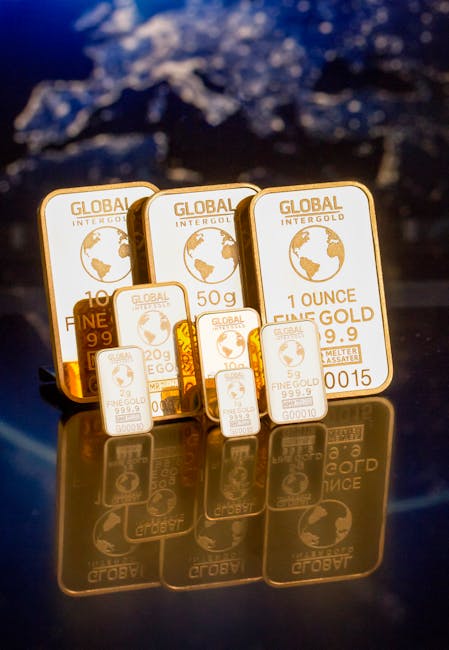
    Gold prices have climbed to a fresh record above $4,800, extending a sharp rally as investors sought safety amid tariff threats from the White House and renewed concerns about a global trade war. Following a record-breaking 2025, gold has entered 2026 with momentum intact as geopolitical tensions, falling real interest rates, and efforts by investors and central banks to diversify away from the dollar reinforce its role as the world’s ultimate haven, analysts said.

    European Shares Extend Losses

    European stocks opened broadly lower on Wednesday, as concerns about U.S.-Europe trade continued to weigh on sentiment in the region. Small caps have been rising on hopes for further rate cuts from the Federal Reserve and bullish U.S. economic sentiment. The Russell 2000 has outperformed the S&P 500 every single trading day of 2026 so far, up more than 8% while the S&P 500 is only slightly in positive territory.

    AI Adoption and Its Impact on the Global Economy

    AI adoption has expanded in recent years, but Wall Street is betting that 2026 will see a reckoning of the technology — and the web of trades around the trend — as the market demands tangible returns from it. Software stocks have been experiencing some turbulence as of late as investors worry that the group may face a threat from AI. Big-name AI plays also saw sharp declines in Tuesday’s market rout.

    Broadcom CEO on AI Demand

    Broadcom CEO told TD Cowen analysts that there’s ‘insatiable’ demand for its chips, highlighting the growing importance of AI in the technology sector. However, some analysts are forecasting a tough year for AI as three key themes emerge: disillusionment, dislocation, and distrust.

    Global Trade and Geopolitics

    Global trade and geopolitics continue to be a major factor in the global economy. The threat of tariffs and trade wars has led to increased tensions between nations, with the US and China being at the forefront of these tensions. The recent developments in Greenland, with the US threatening to impose tariffs, have added to the uncertainty in the global economy.

    Denmark’s Response to US Tariff Threats

    Denmark has responded to the US tariff threats, stating that the issue should be handled through private diplomacy rather than on social media. The Danish Foreign Minister, Lars Lokke Rasmussen, has emphasized the importance of respecting the integrity and sovereignty of the kingdom of Denmark and the right of the Greenlandic people to self-determination.

    Conclusion

    In conclusion, the global economy is facing a complex and uncertain landscape, with tariff threats, gold prices, and shifting geopolitics all playing a significant role. As the world navigates these challenges, it is essential to prioritize diplomacy, cooperation, and mutual understanding to ensure a stable and prosperous global economy for all.

  • Global Economics Projected to Grow at 3.3 Percent in 2026 Amidst Rising Geopolitical Tensions

    Global Economics Projected to Grow at 3.3 Percent in 2026 Amidst Rising Geopolitical Tensions

    Global Growth Projections

    The global economy is projected to grow at 3.3 percent in 2026 and 3.2 percent in 2027, according to recent reports. This slight revision upwards since the October 2025 World Economic Forum suggests a sense of cautious optimism amidst rising geopolitical tensions.

    US-Greenland Deal and Tariff Threats

    US President Donald Trump has announced that a ‘framework’ has been reached for a deal with Greenland, following a meeting with NATO chief Mark Rutte at the World Economic Forum in Davos, Switzerland. However, Trump’s comments have also sparked concerns about tariff threats and a potential global trade war, with gold prices climbing to a fresh record above $4,800.

    Inflation and Interest Rates

    Inflation is expected to remain low, with a projected rate of 0.8 percent in 2026, up from effectively zero in 2025. This low inflation rate, combined with falling real interest rates, has reinforced gold’s role as a safe-haven asset.

    European Shares and Trade Concerns

    European stocks have opened broadly lower, weighed down by concerns about US-Europe trade. The Russell 2000 has outperformed the S&P 500 so far in 2026, with some analysts forecasting further upside for small-cap equities.

    Artificial Intelligence and the Great Divergence

    The rise of artificial intelligence (AI) is often compared to the Industrial Revolution, with potentially transformative implications for the global economy. The Trump administration is laying the groundwork for American AI dominance, but the future impact of AI is uncertain, and empirical data suggests that a second Great Divergence may be emerging.

    Conclusion

    As the global economy navigates rising geopolitical tensions, low inflation, and the emergence of AI, investors and policymakers must remain vigilant and adaptable. The projected growth rates for 2026 and 2027 suggest a sense of cautious optimism, but the road ahead is fraught with challenges and uncertainties.