Canada Reaches NATO’s 2% Defence Spending Target, Aims for 3.5% by 2035
🛡️ GCHAM Empire: Reader-Supported Intelligence
Our global reporting remains free and independent thanks to our readers.
✉️ Contact: gchamempire@gmail.com
Canada has met NATO’s defence spending target of 2% of GDP for the first time, with a total of $63.4 billion spent on national defence in 2025. The country now aims to reach a new target of 3.5% of GDP on core defence needs by 2035.
Canada has officially met the NATO defence spending target of 2% of its Gross Domestic Product (GDP) for the first time, according to the alliance’s annual report published on Thursday. The country spent a total of $63.4 billion on national defence in 2025, marking a significant increase in its military expenditure.
The achievement is seen as a major milestone for Canada, which has been criticized in the past for its low defence spending. Prime Minister Mark Carney hailed the milestone as a result of his government’s rearmament drive, which has seen military spending rise to levels not seen since the end of the Cold War.
The new target set by NATO is to spend 3.5% of GDP on core defence needs by 2035, with an additional 1.5% to be spent on defence-related initiatives such as infrastructure and civil preparedness. Canada has committed to meeting this target, with the aim of spending a total of 5% of its GDP on defence by 2035.
The increased defence spending is expected to have a significant impact on Canada’s military capabilities, with the country planning to invest in new equipment and technology. The government has also announced plans to increase the size of its military, with a focus on recruiting more personnel and improving training programs.
The achievement of the 2% target is also seen as a positive step for Canada’s relationships with its NATO allies. The country has been working to strengthen its ties with other member states, and the increased defence spending is expected to improve its credibility and influence within the alliance.
However, some critics have raised concerns about the impact of the increased defence spending on other areas of government expenditure. The opposition has argued that the money could be better spent on social programs and other priorities, and that the government should be careful not to sacrifice other important areas of spending in its pursuit of the NATO target.
Despite these concerns, the achievement of the 2% target is seen as a significant step forward for Canada’s military and its relationships with its allies. The country is now well on its way to meeting the new target of 3.5% of GDP on core defence needs, and is expected to play an increasingly important role in global security efforts in the years to come.
Background
The NATO defence spending target of 2% of GDP was first agreed upon in 2006, and has been a cornerstone of the alliance’s defence policy ever since. The target is seen as a way of ensuring that member states are contributing their fair share to the alliance’s collective defence efforts, and of providing a benchmark for measuring military expenditure.
Canada has historically struggled to meet the 2% target, with its defence spending averaging around 1% of GDP in the years leading up to 2025. However, the country has made significant strides in recent years, with the government committing to increase defence spending and meet the NATO target.
Impact
The increased defence spending is expected to have a significant impact on Canada’s military capabilities and its relationships with its allies. The country is planning to invest in new equipment and technology, including fighter jets, warships, and other military hardware.
The increased spending is also expected to create jobs and stimulate economic growth, particularly in the defence industry. The government has announced plans to partner with private companies to develop new technologies and manufacture military equipment, which is expected to create new opportunities for businesses and workers.
However, the increased defence spending has also raised concerns about the impact on other areas of government expenditure. The opposition has argued that the money could be better spent on social programs and other priorities, and that the government should be careful not to sacrifice other important areas of spending in its pursuit of the NATO target.
Conclusion
Canada’s achievement of the NATO defence spending target of 2% of GDP is a significant milestone for the country’s military and its relationships with its allies. The increased defence spending is expected to have a major impact on Canada’s military capabilities and its role in global security efforts, and is seen as a positive step forward for the country’s relationships with its NATO allies.
However, the increased defence spending has also raised concerns about the impact on other areas of government expenditure, and the government will need to be careful to balance its defence spending with other priorities. As Canada continues to work towards meeting the new target of 3.5% of GDP on core defence needs, it will be important for the government to ensure that its defence spending is sustainable and effective, and that it is aligned with the country’s broader security and foreign policy goals.
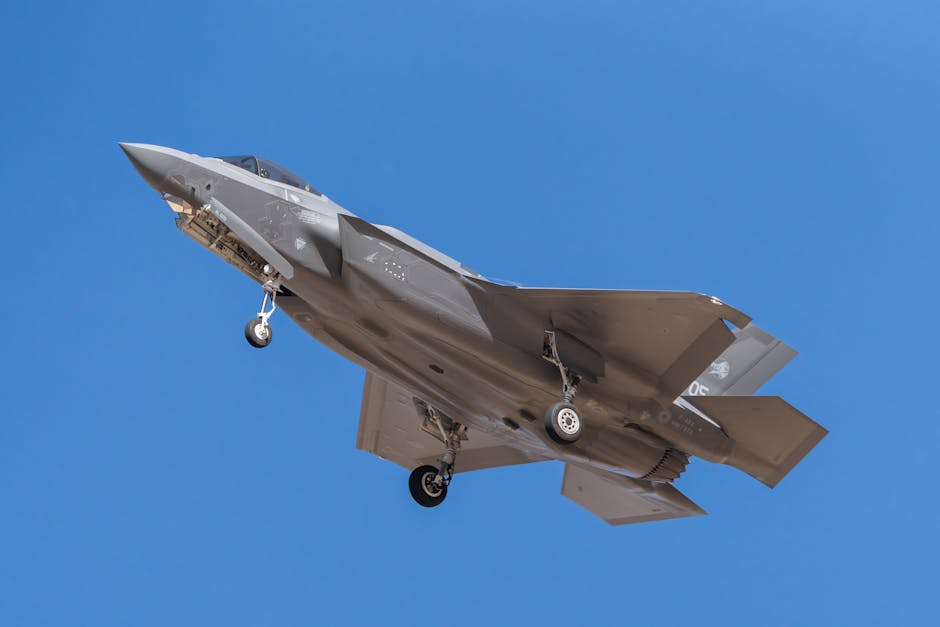
Visual representation of NATO defence spending
Reported by Brayan Juma Okumu, Founder of GCHAM Empire.