Bharat Bandh 2026: 300 Million Workers Strike as India-US Trade Deal Sparks National Shutdown
Introduction: A Nation at a Standstill
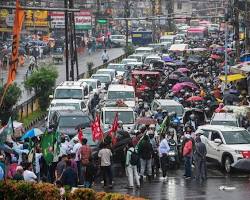
Today, February 12, 2026, India has come to a grinding halt. A massive coalition of ten central trade unions and over 200 farmer organizations has launched a “Bharat Bandh” (National Shutdown). According to organizers, an estimated 300 million workers—a figure frequently cited by Indian labor researchers to describe the scale of full-sector mobilization—have abandoned their posts. The strike is a direct response to the implementation of new Labor Codes and a recently signed interim trade pact with the United States that protesters describe as a “threat to sovereignty.”
The “Trap Deal” Narrative: Why Farmers and Unions are Outraged
The protesters’ anger is focused on the India-US interim trade framework finalized earlier this month. While the government promotes the deal as a gateway to a $30 trillion market, the Samyukt Kisan Morcha (SKM) and trade unions have branded it a “Trap Deal.”
- Agricultural Allegations: Farmer unions claim the deal will allow American multinational corporations to flood the Indian market with agricultural imports. The government disputes this, with Commerce Minister Piyush Goyal stating that sensitive sectors like milk, wheat, and rice remain “fully protected.”
- The Labor Code Conflict: Unions are fiercely opposing the four new Labor Codes, which they argue will favor corporate interests by allowing for easier “hiring and firing” and potentially extending work hours for the nation’s 30 crore workers.
- The Tariff Reset: In a significant shift, U.S. reciprocal tariffs on Indian goods have been cut from 50% down to 18%. While the government hails this as a win for exporters, opposition leaders argue that the 18% rate still remains an “uneven exchange” for Indian labor.
The Impact: What’s Closed and What’s Open
Reports indicate a near-total shutdown in states like Kerala and West Bengal, while commercial activity in states like Gujarat remains largely unaffected.
| Sector | Status | Impact Level |
| Banking | Disrupted | Public sector banks hit; private banks and ATMs mostly active. |
| Transport | High Disruption | Buses off roads in Kerala and Punjab; “Chakka Jam” (roadblocks) in rural hubs. |
| Schools | Regional Closures | Schools closed in strike-heavy states; open in others. |
| Emergency | Operational | Hospitals, pharmacies, and milk/newspaper delivery are exempt. |
The GCHAM Verdict: A Deep Rupture in Policy
For Juma’s audience, the Bharat Bandh 2026 is a case study in the friction between high-level diplomacy and ground-level consent. While the Trump administration and New Delhi celebrate a “Great Deal,” the scale of the protests suggests a deep rupture between policy and the workers it affects. This strike sends a clear message: in the 2026 trade landscape, the “people” are refusing to be the silent bargaining chips of global economics.