Global Unrest: Unpacking the Complex Web of Conflicts and Geopolitics
🛡️ GCHAM Empire: Reader-Supported Intelligence
Our global reporting remains free and independent thanks to our readers.
✉️ Contact: gchamempire@gmail.com
As tensions escalate between the US and Iran, the world watches with bated breath. From the latest developments in the Iran war to the Russia-Ukraine conflict, and China’s response to Trump’s tariff moves, the global landscape is increasingly complex.
The situation in the Middle East continues to deteriorate, with Iranian missile and drone attacks causing significant damage to US installations across the region. Since February 28, 2026, multiple US military sites have been targeted, including facilities linked to communications and radar. The US has responded by relocating personnel from exposed bases and surging new forces into the region.
The conflict has sparked a heated debate about the US’s role in the region and the potential consequences of a prolonged war. Many experts warn that the situation is precarious and that the world economy is being held hostage by Iran’s insurgent tactics. The latest analysis suggests that one month into the war, Iran is using increasingly sophisticated tactics to outmaneuver its opponents.
In other news, the Russia-Ukraine war continues to simmer, with the US and Ukraine engaged in a delicate diplomatic dance. Recent reports suggest that the US may have asked Ukraine to cede land to Russia as part of a security deal, although this has been denied by Rubio. China, meanwhile, has opened investigations into US trade practices in response to Trump’s tariff moves, further straining relations between the two superpowers.
The ongoing conflicts have significant implications for the global economy and international relations. As the world becomes increasingly interconnected, the consequences of these conflicts will be felt far beyond the immediate regions involved. The US, in particular, is facing criticism for its handling of the situation, with many questioning the wisdom of its military interventions and diplomatic maneuvers.
In the midst of this chaos, the 2026 elections are looming large. The campaign season is already heating up, with candidates vying for position and attempting to navigate the complex web of global events. The latest AP-NORC polls suggest that the electorate is increasingly divided, with many voters uncertain about the best course of action for the country.
As the situation continues to unfold, one thing is clear: the world is at a crossroads. The choices made in the coming months and years will have far-reaching consequences, shaping the future of global politics, economies, and societies. It is imperative that leaders and citizens alike engage in informed and nuanced discussions about the issues at hand, seeking to understand the complexities and nuances of the global landscape.
Geopolitical Implications
The current conflicts have significant geopolitical implications, with the potential to reshape the global balance of power. The US, in particular, is facing challenges to its dominance, with emerging powers like China and Iran seeking to assert their influence. The Middle East, long a focal point of global tensions, is once again at the center of the storm.
The situation in Iran is particularly complex, with the country’s insurgent tactics and military capabilities posing a significant threat to regional stability. The US and its allies must navigate this treacherous landscape with care, seeking to balance their own interests with the need to maintain regional security and prevent further escalation.
Economic Consequences
The ongoing conflicts also have significant economic consequences, with the potential to disrupt global trade and commerce. The US, in particular, is facing challenges to its economic dominance, with the rise of China and other emerging powers threatening to erode its position.
The situation in Iran is once again at the center of the storm, with the country’s oil exports and economic influence posing a significant threat to global energy security. The US and its allies must seek to mitigate the economic consequences of the conflict, while also working to prevent further escalation and promote regional stability.
Conclusion
In conclusion, the current conflicts are a complex and multifaceted issue, with significant implications for global politics, economies, and societies. The US and its allies must navigate this treacherous landscape with care, seeking to balance their own interests with the need to maintain regional security and prevent further escalation. The world is at a crossroads, and the choices made in the coming months and years will have far-reaching consequences.
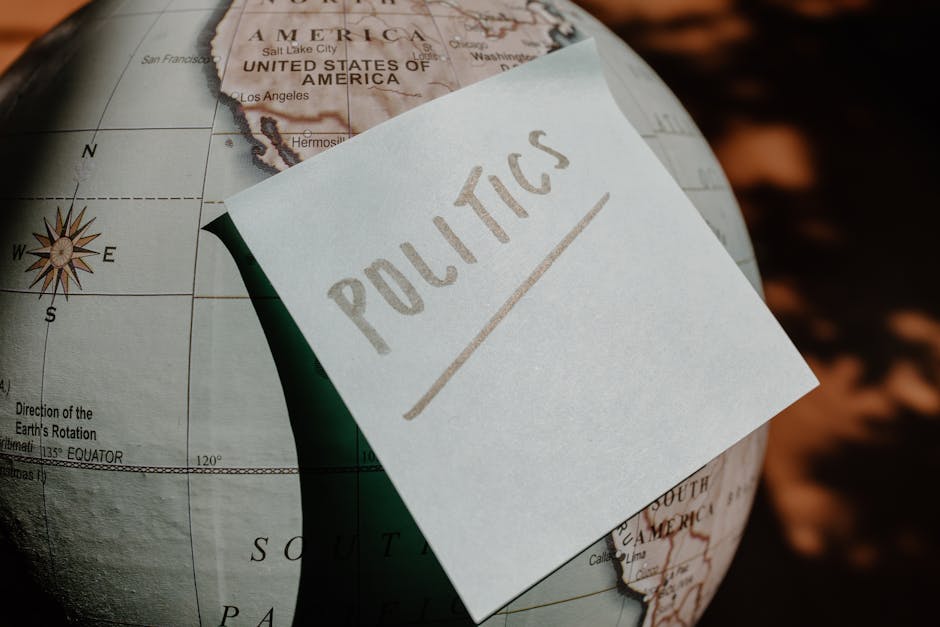
Visual representation of Geopolitics, Global Unrest, Middle East Conflict
Reported by Brayan Juma Okumu, Founder of GCHAM Empire.