The 2026 Geopolitical Rebalancing: Trump and Xi Jinping Target Year-End White House Summit.
Introduction: A High-Stakes Shift in Diplomacy
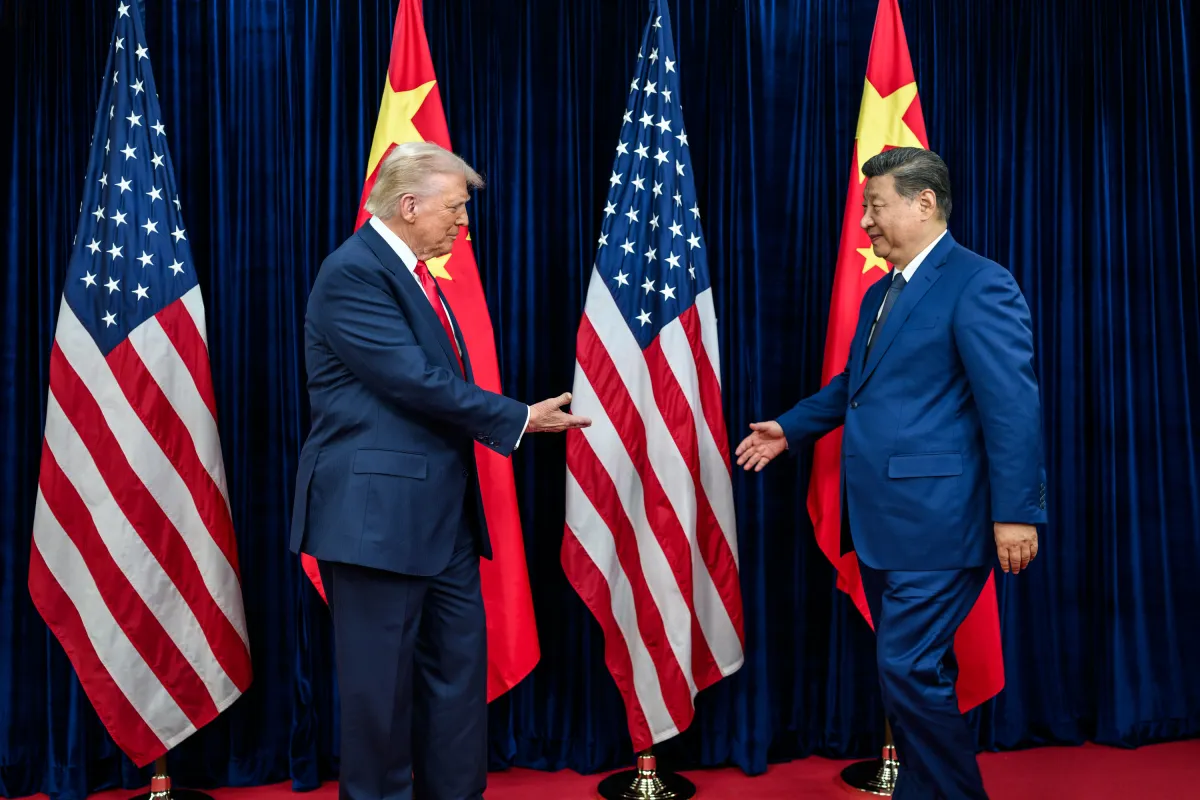
The announcement on February 9, 2026, marks what could be a significant pivot in U.S.-China relations. Following a comprehensive interview and a high-stakes phone call held on February 4, U.S. President Donald Trump confirmed that Chinese President Xi Jinping is scheduled to visit the White House toward the end of the year.
For the GCHAM audience, this development represents more than a diplomatic meeting; it signals a potential global economic rebalancing. As the world’s two largest economies navigate a landscape of trade truces and technological competition, the summit aims to provide much-needed predictability for global markets.
The February 4 Dialogue: Strategic Foundations
The groundwork for the upcoming summit was established during a thorough phone conversation between the two leaders. The dialogue addressed several core friction points that have historically impacted global supply chains and regional stability.
1. Agricultural Interests and Trade Commitments
Early trade briefings suggest that China has expressed a willingness to increase its purchase of American soybeans to 20 million metric tonnes for the current season. Market participants interpret this move as a strategic “olive branch” intended to stabilize trade relations and prevent further tariff escalations that characterized much of 2025.
2. Energy and Commercial Cooperation
The discussion also extended to energy markets. Trump noted that Beijing is exploring increased purchases of U.S. oil and gas, alongside airplane engine deliveries. As China seeks to diversify its energy imports, the U.S. is positioning itself as a reliable partner, a move that could significantly alter energy flow dynamics across the Pacific.
3. The Taiwan Variable: Managing Cross-Strait Risk
The question of Taiwan remains the most sensitive variable in bilateral ties. President Xi reportedly emphasized that the Taiwan question is the most important issue in the relationship, urging “extreme caution” regarding arms sales. Regional allies and financial markets continue to view cross-strait stability as a critical risk variable, and both leaders signaled a desire to maintain communication to ensure regional security remains predictable.
Economic Implications: From Decoupling to De-risking
From an economic perspective, 2026 is emerging as a year of de-risking. While the “tech competition” in semiconductors and AI remains intense, there is a clear move toward stabilizing traditional trade sectors.
- Market Sentiment: Market strategists note that a successful April visit by Trump to Beijing—preceding the White House summit—could act as a catalyst for renewed interest in Pacific-rim equities.
- Supply Chain Stability: The emphasis on agricultural and energy deals suggests a shift toward “transactional diplomacy,” where specific commercial wins are used to buffer broader geopolitical tensions.
The 2026 Diplomatic Calendar
The upcoming year is defined by a series of high-level engagements:
- April 2026: President Trump’s anticipated visit to Beijing to discuss security and a “big deal” on economic cooperation.
- Late 2026: President Xi Jinping’s return to the White House for the first time since 2023.
This frequency of engagement suggests that both administrations recognize the necessity of risk containment while their respective domestic economies undergo significant structural transitions.
Conclusion: The Path Toward Policy Signaling
The proposed Trump-Xi summit is a crucial moment for GCHAM readers to monitor. Whether it results in a formal “Great Reset” or remains a tactical truce, the outcome will dictate the macro-calm of global markets for the next several years. By focusing on issues one by one, as President Xi suggested, both nations are attempting to forge a more predictable path for the global order.