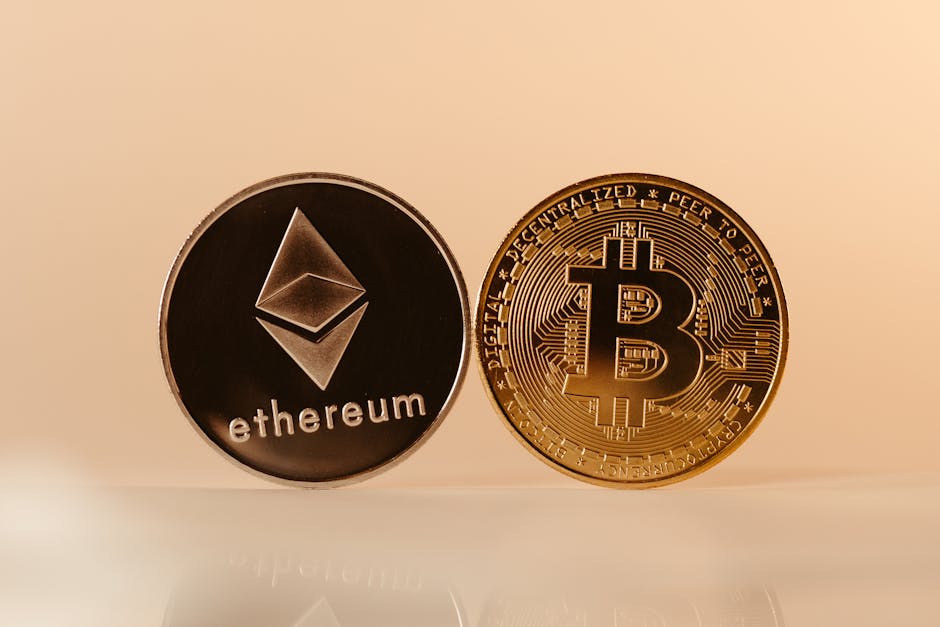
The Great Narrowing: A Dismal Close to 2025
The crypto market has entered 2026 on shaky ground following a brutal 2025. While headlines often focus on Bitcoin ($BTC) finishing the year down 6% and Ethereum ($ETH) trailing with an 11% decline, the surface-level numbers hide a much darker reality for the broader ecosystem.
The real story lies in the “Great Narrowing.” While the giants survived, the mid-cap and small-cap token universe faced an absolute slaughter. Solana ($SOL) plummeted 34%, while the Bloomberg Galaxy Crypto Index (BGCI)—excluding the big three—plummeted nearly 60%.
The State of the Market: A Technical Bear Cycle
The current market structure is exceptionally narrow. Data indicates that the median token across the industry has declined by a staggering 79%.
Key Insight: The non-Bitcoin token market has been in a confirmed bear market since December 2024. For global investors, this signals a flight to quality, where liquidity is exiting speculative “altcoins” and concentrating solely in established assets.
On-Chain Fundamentals vs. Stablecoin Resilience
While the price action is bearish, the “plumbing” of the blockchain world shows a mixed signal.
Softening Activity
In the latter half of 2025, key on-chain indicators began to soften:
-
Layer-1 Revenue: Drastic reduction in network fees.
-
DApp Usage: A deceleration in active addresses.
-
DeFi Fees: Lower trading volumes leading to diminished protocol revenue.
The Stablecoin Silver Lining
Despite the price crashes, Stablecoin supply has surged to a market cap of over $310 billion. This suggests that while investors are selling volatile assets, they are not leaving the ecosystem—they are sitting in “digital cash,” waiting for a re-entry point in 2026.
Institutional Evolution: Privacy and Perpetuals
Institutional adoption is no longer a “future” event; it is happening now, even in a bear market.
1. The Rise of Privacy Tech
Institutions are flocking to privacy-centric protocols like Zama and Canton. As global banks look to move assets on-chain, the need for encrypted, private transactions has made privacy tech a “boom” sector for 2026.
2. The Dominance of Perpetual Swaps
The way the world trades crypto has changed. Perpetual swap contracts now account for approximately 78% of all crypto derivative volume, moving the market away from spot buying and toward sophisticated, high-leverage institutional hedging.
The 2026 Regulatory Outlook: The U.S. Factor
The single biggest “cap” on crypto valuations remains the U.S. Legislature. The delay in passing a comprehensive crypto market structure bill has left U.S.-exposed firms in a state of paralysis.
-
High Sensitivity: Decentralized Finance (DeFi) and Altcoins remain the most vulnerable to this regulatory vacuum.
-
Infrastructure Resilience: Bitcoin mining and infrastructure firms are better positioned to weather the storm due to clearer existing legal classifications.
Conclusion: Navigating the 2026 Recovery
The crypto market has undergone a painful but perhaps necessary “cleansing” in 2025. As we look toward the remainder of 2026, the path to $2 trillion in stablecoin market cap and the narrowing gap between institutional and retail privacy tech will be the trends to watch.
For the GCHAM audience, the message is clear: The market is maturing. The era of “blind altcoin moonshots” is over, and the era of institutional infrastructure has begun.